What Is Kimchi?
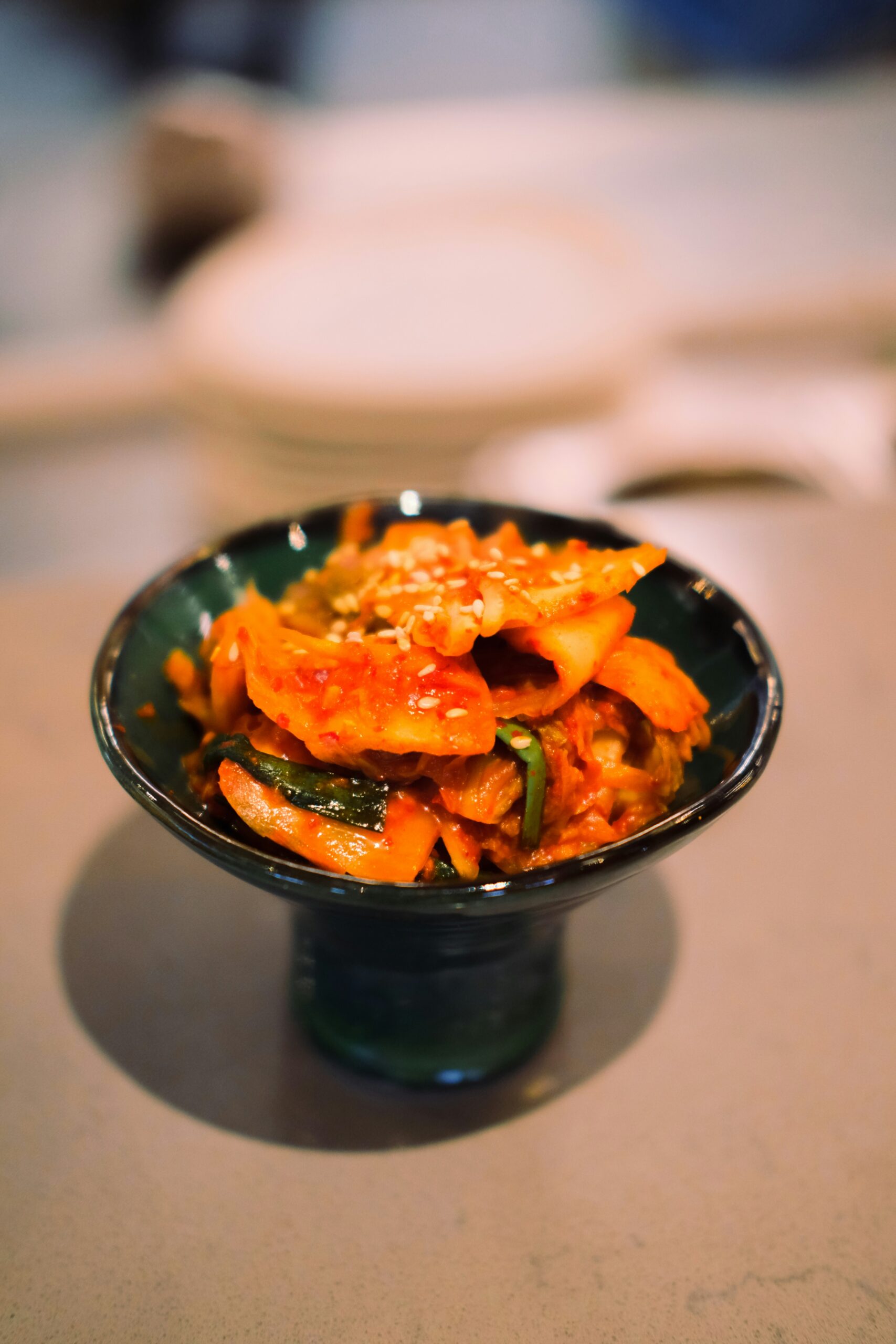
Kimchi is a traditional Korean dish made from fermented vegetables, most commonly Napa cabbage and Korean radish, seasoned with chili, garlic, ginger, spring onions, and fish sauce or soy sauce. It has been a staple in Korean cuisine for centuries and is praised worldwide for its bold flavor and exceptional health benefits.
Kimchi represents more than just food in Korean culture—it symbolizes longevity, community, and wellness. Today it’s recognized globally as a top superfood due to its unique fermentation process.
Health Benefits of Kimchi
🦠 1. Gut Health & Probiotics
- Rich in lactobacillus and other beneficial bacteria.
- Supports digestion, reduces bloating, and strengthens the intestinal microbiome.
🔥 2. Anti-Inflammatory & Antioxidant
- Ingredients like garlic, ginger, and chili contain potent antioxidants.
- Helps reduce inflammatory markers and support overall immunity.
🩺 3. Heart Health
- Regular consumption may help lower cholesterol and blood pressure.
- Garlic in kimchi contains allicin and selenium, supporting cardiovascular function.
⚖️ 4. Weight Management & Metabolism
- Low in calories but rich in fibers.
- Fermentation increases bioavailability of nutrients, which can improve metabolism.
💪 5. Immunity Boost
- High in vitamins A, C, and key minerals.
- Strengthens the body’s defense against infections.
Traditional Kimchi Recipe (Gluten-Free)
Ingredients
- 1 large Napa cabbage
- 1/4 cup sea salt
- 4 cups water
Kimchi Paste:
- 1 tbsp gluten-free fish sauce (or tamari for vegan)
- 2 tbsp Korean chili flakes (gochugaru) – adjust to taste
- 4 cloves garlic – minced
- 1 inch ginger – grated
- 2 tbsp spring onions – chopped
- 1 tsp sugar (optional – helps fermentation)
Vegetables (optional additions)
- 1 small carrot, julienned
- 1/2 daikon radish, sliced
Instructions
1️⃣ Salt the Cabbage
- Cut cabbage lengthwise into quarters, then into pieces.
- Dissolve salt in water and soak cabbage for 1–2 hours, flipping occasionally.
- Rinse and drain thoroughly.
2️⃣ Make the Kimchi Paste
- Mix garlic, ginger, chili flakes, fish sauce, and sugar.
- Add carrot and radish if using.
3️⃣ Combine
- Massage paste gently into drained cabbage until fully coated.
4️⃣ Pack & Ferment
- Place into a clean glass jar. Press down to remove air pockets.
- Leave 2–3 cm at the top for expansion.
- Close jar loosely and ferment at room temperature for 1–3 days, then refrigerate.
5️⃣ Taste & Store
- Taste daily. When tangy and flavorful, move to the fridge.
- Kimchi continues to ferment slowly and can last up to 6 months.
How to Use Kimchi Daily
- With rice or quinoa bowls
- In omelets or scrambled eggs
- On gluten-free toast or wraps
- In soups and stews (kimchi jjigae)